Introduction
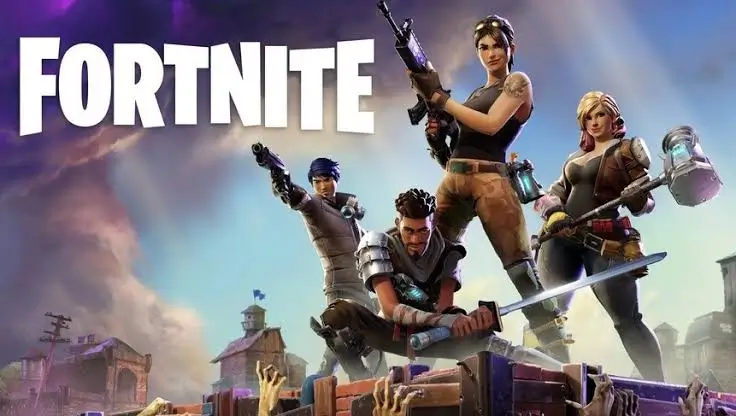
Few games have reshaped the gaming landscape quite like Fortnite. Since its explosive rise, this free-to-play battle royale has evolved from a simple survival shooter into a sprawling cultural phenomenon that transcends generations. With over 400 million registered players and a relentless cadence of updates, Fortnite continues to dominate the gaming conversation year after year.
But does it still deserve your time in 2026? Is the game still as thrilling, creative, and accessible as it was during its peak? In this comprehensive Fortnite review, we dive deep into every aspect of the experience—from core gameplay mechanics and visual design to monetization, community features, and the ever-evolving seasonal content. Whether you are a returning player or a curious newcomer, this guide covers everything you need to know.
What Is Fortnite?
Fortnite, developed and published by Epic Games, launched its Battle Royale mode in September 2017. What started as a last-100-player-standing shooter has grown into a multi-mode platform encompassing competitive play, creative building, cooperative PvE, and even virtual concerts and social hangouts.
The game is available on virtually every major platform: PC, PlayStation, Xbox, Nintendo Switch, and mobile devices, with full cross-play and cross-progression support. This universal accessibility is one of the primary reasons Fortnite has maintained its massive player base well into 2026.
Gameplay Mechanics
The Core Battle Royale Loop
At its heart, Fortnite’s Battle Royale drops up to 100 players onto a vibrant island where they must scavenge for weapons, materials, and healing items while a shrinking storm forces everyone toward a final showdown. The last player or team standing wins.
What sets Fortnite apart from competitors is the building mechanic. Players harvest wood, brick, and metal from the environment to construct walls, ramps, floors, and roofs in real time. This adds a vertical, strategic layer that no other battle royale replicates with the same fluidity.
Zero Build Mode
Recognizing that the building system could be intimidating, Epic Games introduced Zero Build—a mode that strips away construction entirely. Here, pure gunplay, positioning, and tactical decision-making reign supreme. Zero Build has attracted millions of players who prefer a more traditional shooter experience without sacrificing Fortnite’s signature charm.
Movement and Traversal
Fortnite’s movement system has undergone significant refinements. Sprinting, mantling, sliding, and a variety of mobility items keep traversal fast and dynamic. The game rewards players who master movement as much as those who master aim.
Game Modes and Experiences
Battle Royale (Solo, Duos, Trios, Squads)
The flagship mode remains as competitive and thrilling as ever. Whether you prefer the solitude of Solo or the teamwork required in Squads, there is a lobby format for every playstyle.
Reload
Fortnite Reload offers a faster-paced, smaller-map battle royale experience designed for quick sessions. With quicker match times and tighter engagement zones, Reload is perfect for players who want intense action without committing to a 20-minute match.
Fortnite Creative and UEFN
The Creative mode, supercharged by the Unreal Editor for Fortnite (UEFN), has transformed the game into a user-generated content platform. Players design and publish their own maps, mini-games, and experiences—ranging from horror escapes to racing circuits to full-fledged RPGs. This ecosystem keeps Fortnite perpetually fresh.
LEGO Fortnite, Festival, and Beyond
Epic has expanded the Fortnite universe with distinct experiences like LEGO Fortnite (a survival-crafting adventure) and Fortnite Festival (a rhythm and music game). These modes broaden the game’s appeal well beyond the traditional shooter audience.
Graphics and Visual Design
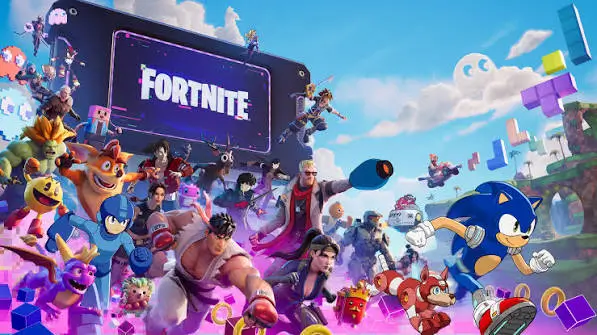
Fortnite’s art direction remains one of its strongest assets. The stylized, colorful aesthetic ages gracefully and ensures the game looks crisp without demanding top-tier hardware. Each season introduces a fresh visual theme—ranging from mythological epics to sci-fi odysseys to pop-culture crossovers—keeping the island visually distinct and exciting.
Lighting, weather effects, and environmental destruction have all seen notable upgrades thanks to ongoing Unreal Engine 5 enhancements. The result is a game that feels alive, dynamic, and endlessly photogenic.
Performance and Optimization
PC Performance
On PC, Fortnite is remarkably well-optimized. Players with mid-range hardware can comfortably achieve 1080p at 60+ FPS, while high-end rigs can push 4K at 120 FPS or higher. The game supports NVIDIA DLSS, AMD FSR, and Intel XeSS for additional performance gains.
Console Performance
On PlayStation 5 and Xbox Series X, Fortnite runs at a smooth 60 FPS in performance mode or a stunning 4K resolution in fidelity mode. The Nintendo Switch and mobile versions, while scaled down, remain fully playable and visually appealing.
Stability and Servers
Epic Games has invested heavily in server infrastructure. Matchmaking is fast, tick rates are stable, and regional server options minimize latency for players worldwide. Occasional server hiccups during major live events are rare exceptions rather than the norm.
Monetization: Battle Pass and Cosmetic Shop
Is Fortnite Free to Play?
Yes. Fortnite is completely free to download and play. There are no pay-to-win mechanics. Every weapon, item, and gameplay feature is accessible to all players regardless of spending.
The Battle Pass
Each season introduces a new Battle Pass packed with skins, emotes, loading screens, and V-Bucks. The progression system is generous, and dedicated players can often earn enough V-Bucks to fund the next season’s pass entirely.
Cosmetic Shop
The in-game item shop rotates daily, offering skins, pickaxes, gliders, and emotes. While prices can feel steep at times, the cosmetics are purely visual and never affect gameplay balance. Frequent sales, bundles, and the introduction of “Fortnite Crew” subscription options provide additional value for committed players.
Community, Social Features, and Live Events
Fortnite’s social layer is unmatched. Party features, voice chat, emotes, and the in-game lobby create a welcoming space for friends to hang out even between matches. The game’s integration with Discord, streaming platforms, and social media amplifies its community-driven energy.
Live in-game events—featuring musical performances from global artists, cinematic story moments, and map-altering spectacles—remain a hallmark of the Fortnite experience. These events generate millions of concurrent viewers and cement Fortnite as more than a game; it is a shared cultural moment.
Seasonal Updates and Content Cadence
Epic Games maintains an aggressive content schedule. Each new season (typically lasting around 10 weeks) introduces:
- A fresh narrative chapter with evolving lore
- New weapons, items, and gameplay mechanics
- A redesigned or partially updated map
- A themed Battle Pass with 100+ tiers of rewards
- Limited-time modes and collaborations
This cadence ensures that Fortnite never feels stale. Returning players are consistently greeted with meaningful changes rather than recycled content.
Pros and Cons

Pros
- Completely free-to-play with zero pay-to-win elements
- Diverse game modes catering to every playstyle
- Constant content updates and seasonal refreshes
- Stunning stylized visuals with broad hardware accessibility
- Robust cross-play and cross-progression
- Thriving creative ecosystem through UEFN
- Engaging live events and cultural crossovers
Cons
- The learning curve for building can intimidate new players
- Cosmetic pricing may feel high for casual buyers
- Occasional balance complaints within the competitive scene
- The sheer volume of content can overwhelm returning players after a long break
Who Should Play Fortnite?
Fortnite is ideal for:
- Casual gamers seeking a fun, accessible, and free experience
- Competitive players drawn to ranked ladders and esports tournaments
- Creative minds who want to build and share their own games
- Social players looking for a vibrant online hangout with friends
- Families wanting an age-appropriate, colorful shooter without graphic violence
Final Verdict
Fortnite in 2026 is not just surviving—it is thriving. Epic Games has masterfully evolved the title from a single battle royale into a multi-faceted entertainment platform that offers something for everyone. The core gameplay remains tight and exhilarating, the content pipeline shows no signs of slowing, and the free-to-play model respects players’ time and wallets.
Whether you are dropping in for your first match or returning after a hiatus, Fortnite delivers a polished, thrilling, and endlessly varied experience. It is, without exaggeration, one of the most complete free-to-play packages available on any platform.
Rating: 9.2 / 10
Conclusion
Fortnite has earned its place in gaming history not through a single gimmick but through relentless reinvention. From its innovative building mechanics to its boundary-pushing live events, from Zero Build accessibility to the boundless creativity of UEFN, the game continues to set the standard for what a live-service title can achieve.
If you have not yet experienced Fortnite—or if it has been a while since your last match—there has never been a better time to drop onto the island. The storm is closing, the loot is waiting, and victory is one well-placed shot away.
Drop in, build up, and claim your Victory Royale.
Download from Google Play for Android:
Download for Android, click here
Download from App Store for iPhone:
Download for iPhone, click here